Luxury Living in Kasba: Why Buyers Prefer Boutique Developments
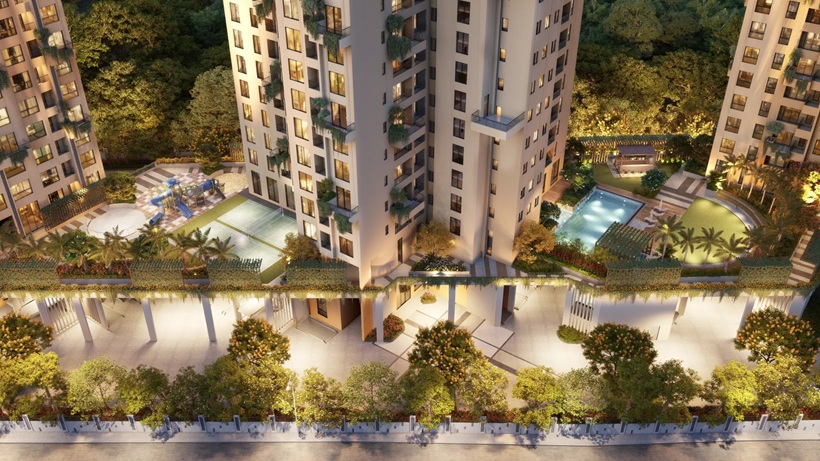
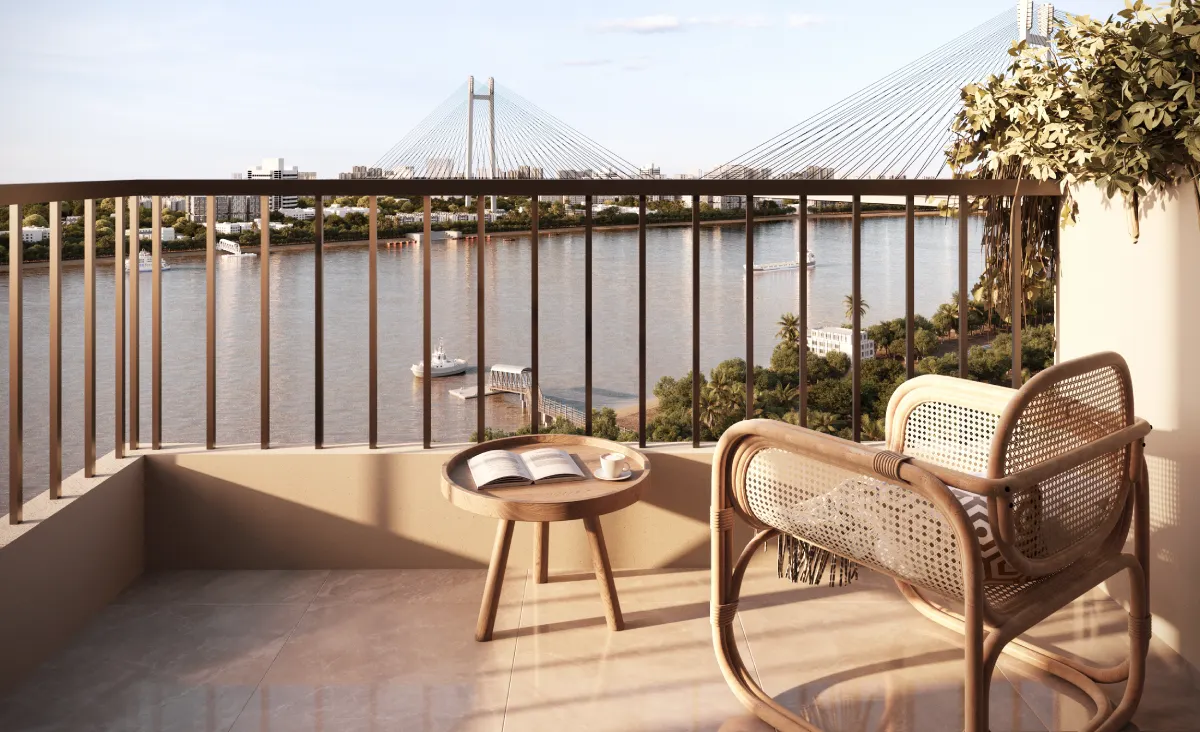
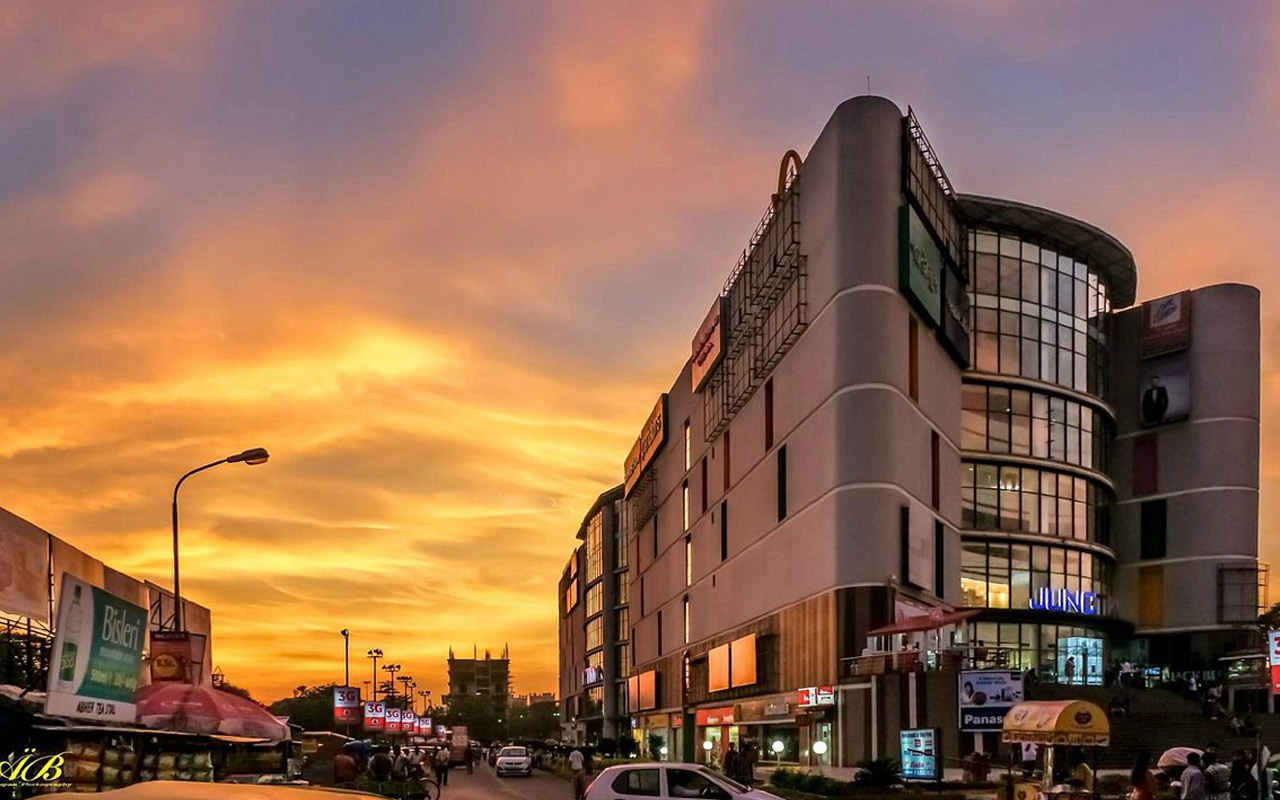
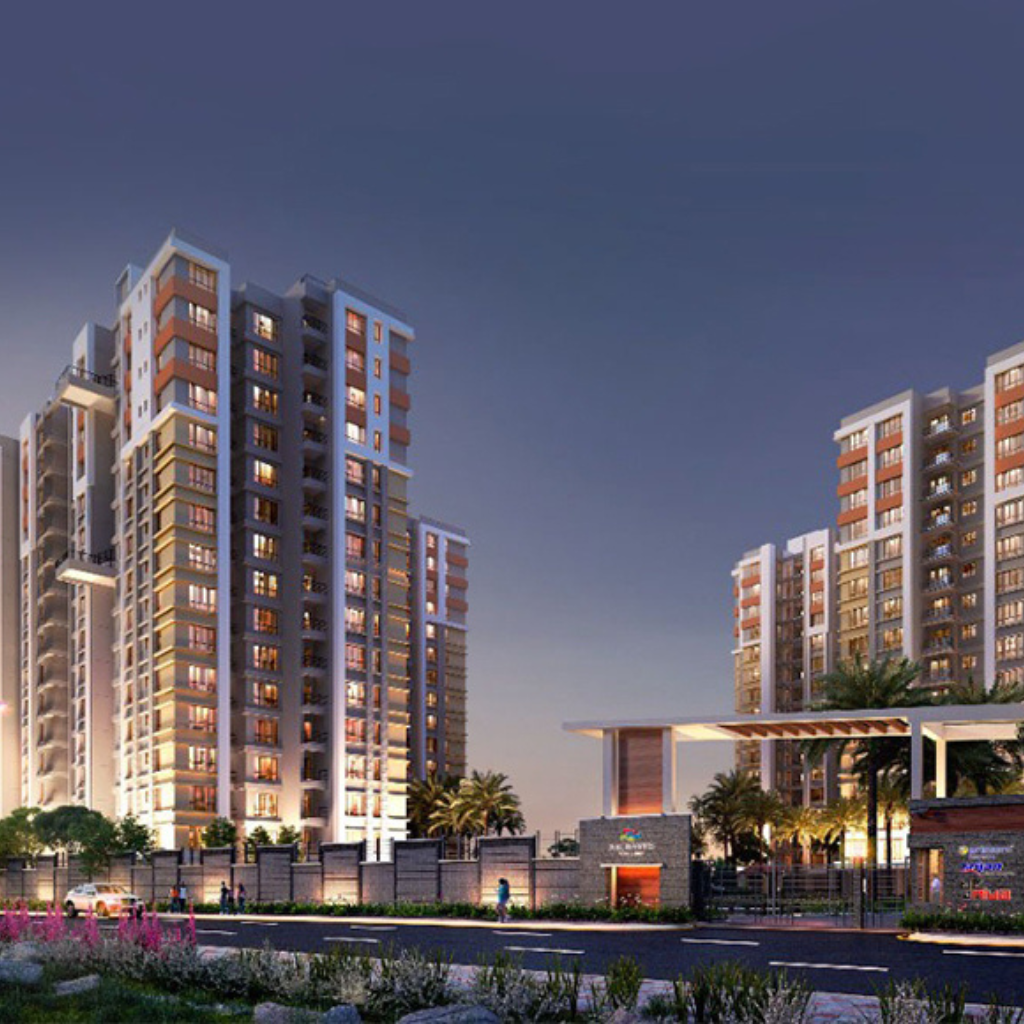
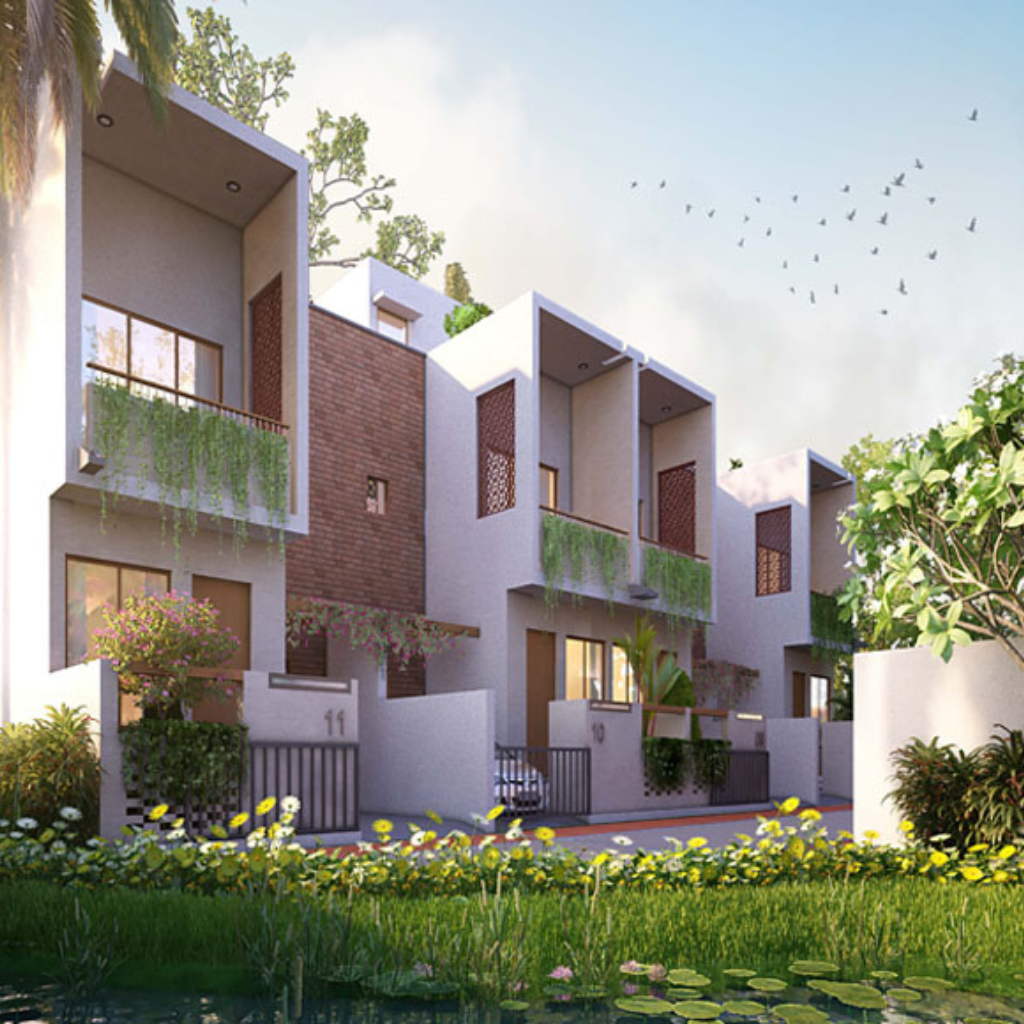
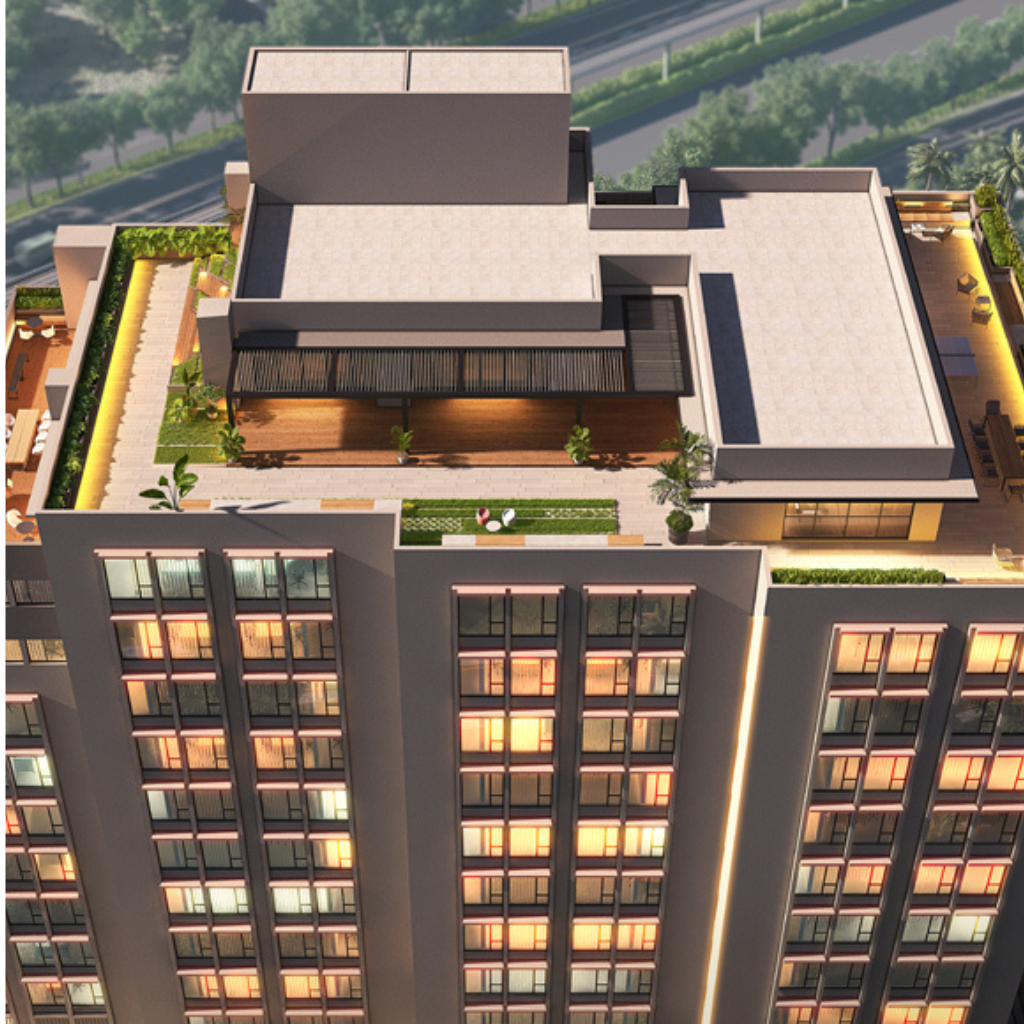
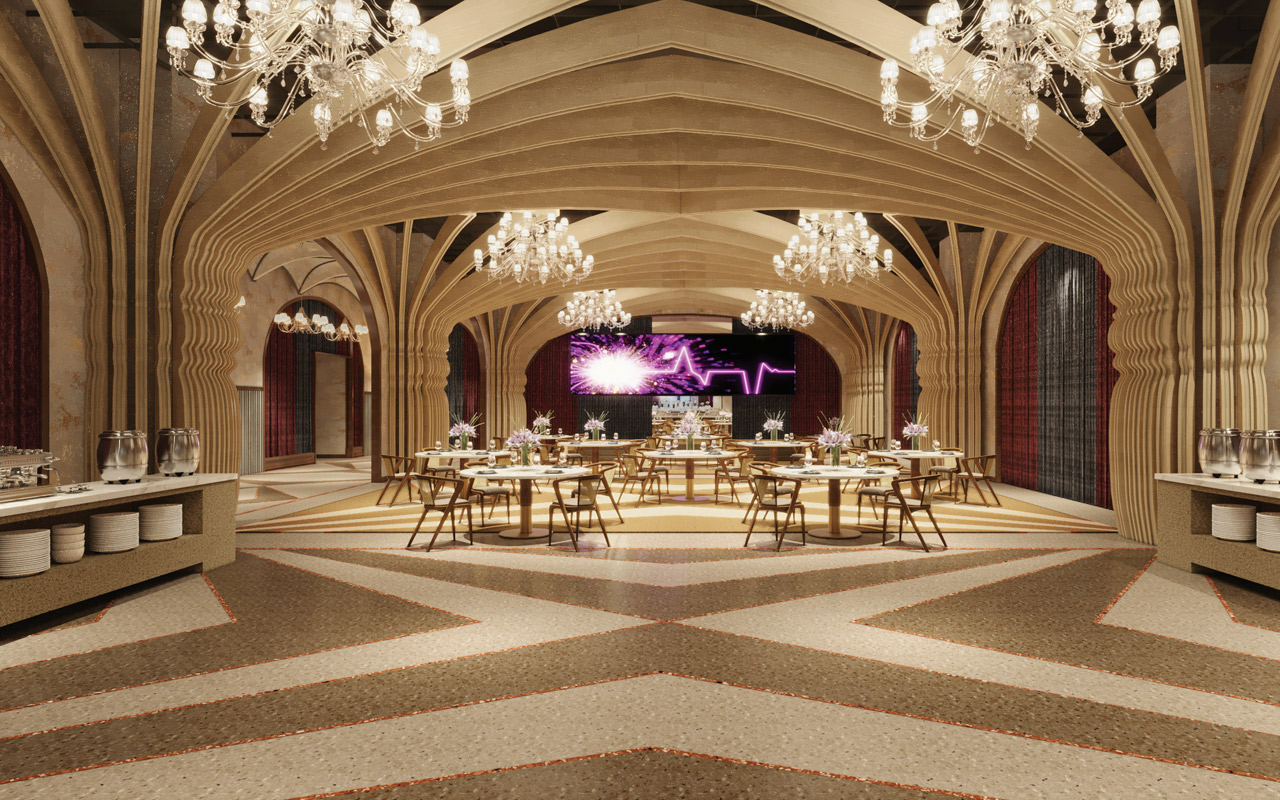
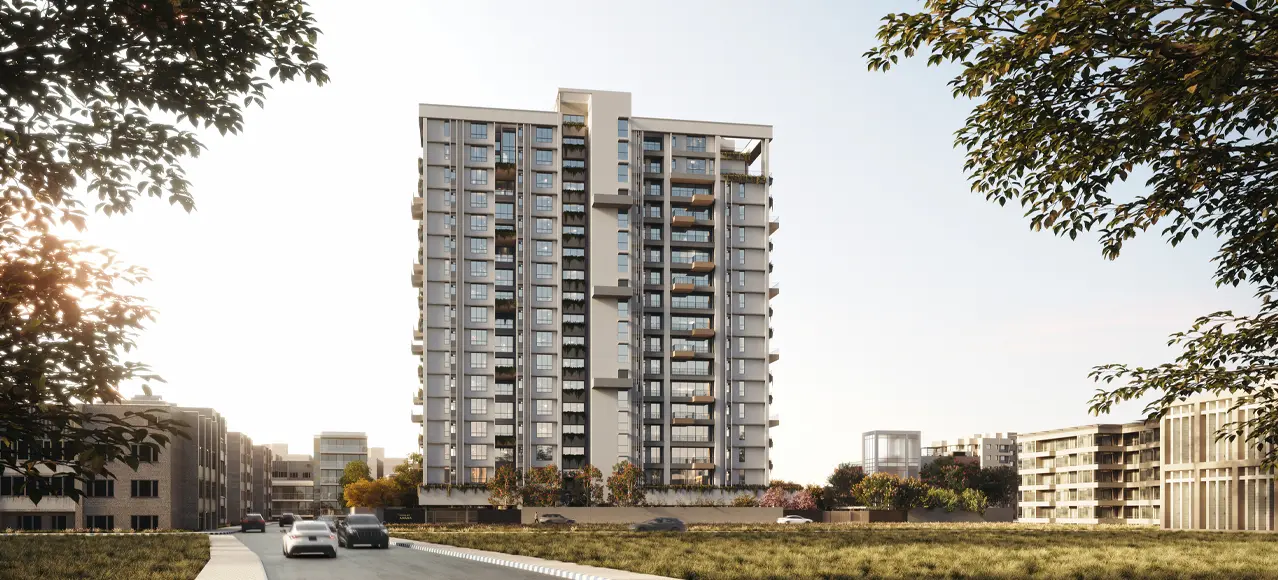
Luxury homebuyers are becoming more selective about community selection. A large number of buyers now value privacy, spacious living, and an exclusive residential environment. This shift has increased demand for boutique apartments in Kasba, Kolkata. Primarc Aahana is a strong example of this preference. Located in Kasba, this boutique apartment is successfully shaping the luxury housing market in South Kolkata. Primarc Aahana has been designed to offer a more refined residential experience. Why Are Buyers Choosing Boutique Developments?One of the biggest attractions of boutique living is exclusivity. Primarc Aahana features only 30 residences within a single G+16 tower. This limited scale creates a more private atmosphere. The apartment also allows residents to enjoy common spaces without the crowding. For many families, this unique combination of sense of space and exclusivity has become an important part of luxury living.Primarc Aahana Offers Space That Modern Families AppreciateFor modern buyers, apartment size usually plays a major role in buying decisions. At Primarc Aahana, residences start from 2500 sq.ft. onwards. Large living and dining spaces, spacious balconies, and thoughtfully planned layouts create a greater sense of openness at the boutique apartments. Duplex apartments in South Kolkata, Kasba, reflect the increasing demand for more generous living spaces. Primarc Aahana addresses this preference through its premium duplex offerings, designed for buyers seeking additional space and privacy.Lifestyle Amenities Feel More Exclusive in Boutique CommunitiesBuyers now expect more than simply having a long list of facilities. Primarc Aahana offers an exclusive G+2 clubhouse, rooftop swimming pool and kids' pool. More unique features include a gymnasium, lounge, games room, and banquet space, with kitchen facilities. These amenities serve a smaller residential community along with a personalised and comfortable living experience. This is one reason duplex apartments in South Kolkata, Kasba, continue attracting buyers who value everyday comfort. Location Continues to Strengthen the AppealKasba remains one of the most connected residential locations in South Kolkata. The easy access to EM Bypass, Ballygunge, Ruby, Gariahat, and Science City supports both convenience and long-term desirability. Primarc Aahana benefits from this connectivity. The location offers a quieter residential environment, away from the intensity of busier urban pockets. This balance between accessibility and comfort continues to attract discerning homebuyers.A Boutique Address Designed for Modern Luxury LivingPrimarc Aahana focuses on creating a residential experience, centred around comfort and exclusivity. Features, such as triple-height terraces in select residences; high-speed elevators, CCTV surveillance, DG backup, and fire safety infrastructure. All these features contribute to a more complete living environment. These elements work together to create a boutique luxury experience that many buyers now prefer. ConclusionThe rising interest in boutique apartments shows the changing buyer preferences. Homebuyers are increasingly seeking privacy, spacious layouts, and premium amenities. Primarc Aahana embodies these preferences through its 30 residences, large-format homes, exclusive lifestyle amenities, and connected Kasba location. For many buyers today, boutique apartments in Kasba, Kolkata, have become a preferred way to experience luxury. FAQs1. What is a boutique residential development?A boutique development typically features a limited number of residences. This creates a more private and exclusive living environment.2. Why are buyers choosing boutique luxury projects?Many buyers prefer lower-density communities that offer greater privacy, quieter surroundings, and easier access to amenities.3. What makes Kasba attractive for luxury housing?Kasba offers strong connectivity, established infrastructure, and access to key areas of South Kolkata.4. Why are spacious homes becoming more popular?Larger homes provide greater flexibility, comfort, and usability for modern families and evolving lifestyle needs.5. What amenities are commonly found in boutique luxury projects?Many boutique developments offer clubhouses, rooftop pools, gyms, lounges, games rooms, and recreational spaces designed for smaller communities.
Read More